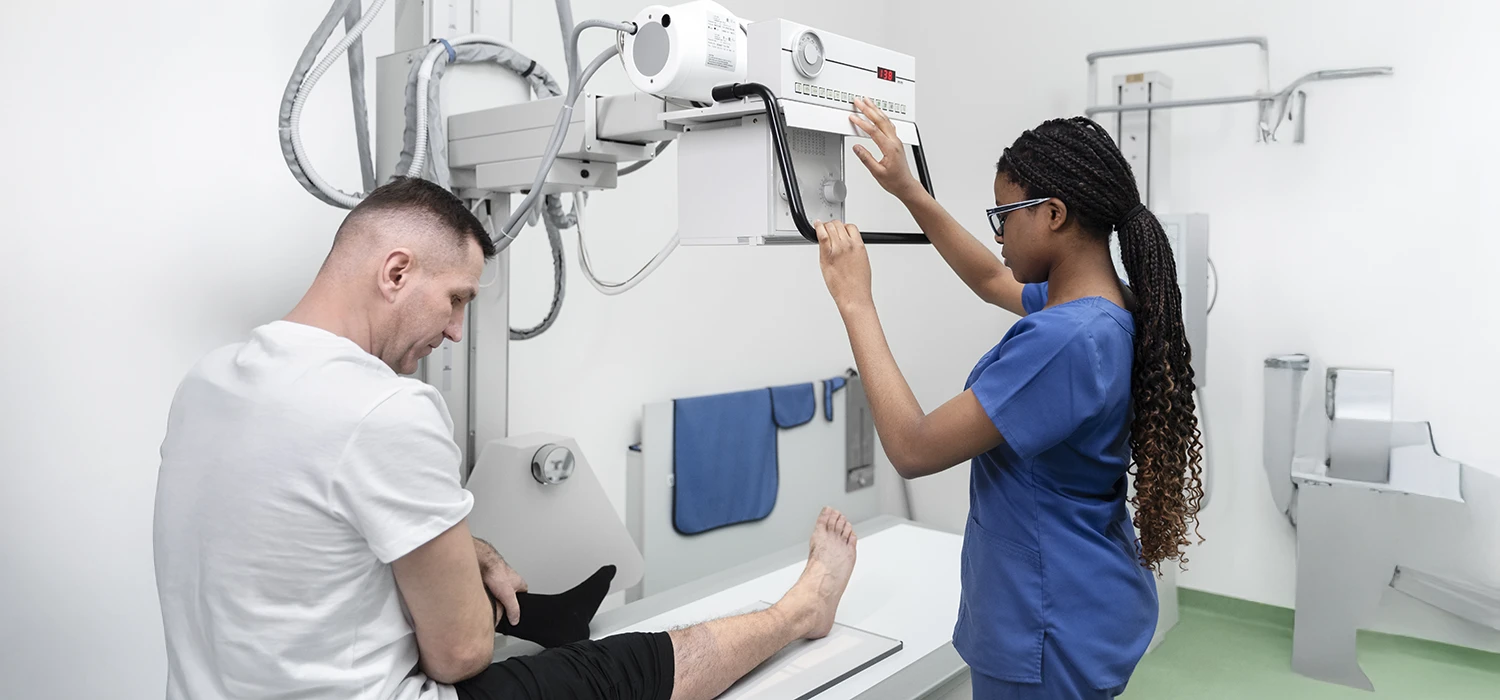
The current state of primary care in India is marred by the lack of basic infrastructure including staff, electricity, water supply as well as a significant disconnect with higher levels of care. With only about 30% of the healthcare budgets being allocated towards primary care, the discerning gap towards equitable healthcare delivery continues to widen.
Contact us at EMeRG for your med-tech business intelligence needs in emerging markets
The 2017 National Health Policy though aims at addressing some of these impediments at a broad level. The policy is directed at improving the primary care infrastructure by defining various grades of services available. Over a period of time, primary healthcare centers may be empowered to offer a more comprehensive set of services. Key highlights of the policy towards primary care would include:
- Developing primary care centers offering a comprehensive set of preventive, promotive, curative and rehab services
- Forming primary care centers known as “Health and Wellness Centers” based on both population and geographical norms
- Improvement in technological and resource-related infrastructure in sub-centers
- Linking all families with a health card making them eligible for primary care services of defined coverage
- Creation of a gradual gatekeeping mechanism to ensure optimized usage of higher facilities and improved feedback / follow-up mechanism
- Exploring sustainable partnership models with private sector for delivering primary care in urban areas
The policy potentially aims at covering a few broad bases that are viewed as critical in the success of a nation’s healthcare system. Continuity of care is one such issue that has been broadly touched upon by the policy. Public health experts widely acknowledge the existence of a notable correlation between continuity of care at primary levels and the rate of hospital admissions. By focusing on creating continuity, the government can ensure both lower referrals and hospital admissions especially for elderly as well as improved job satisfaction for practitioners.
While the policy certainly provides the impression of a first right step, a few pertinent questions would still need to be addressed in immediate future:
- How to ensure availability of basic amenities including and infrastructure including motorable roads, regular electricity and water supply in PHCs and sub-centers
- How to integrate primary care effectively with higher levels of care
- How to empower sub-centers to have physicians who could ensure quick prescription of scheduled drugs
- How to incentivize PHCs to deliver comprehensive level of care to patients
- How to build capacity especially in terms of nurses and paramedical staff for effective delivery of necessary care in PHCs
- How to effectively build a digital health ecosystem for dissemination of basic consultation, training as well as surveillance of various primary care initiatives