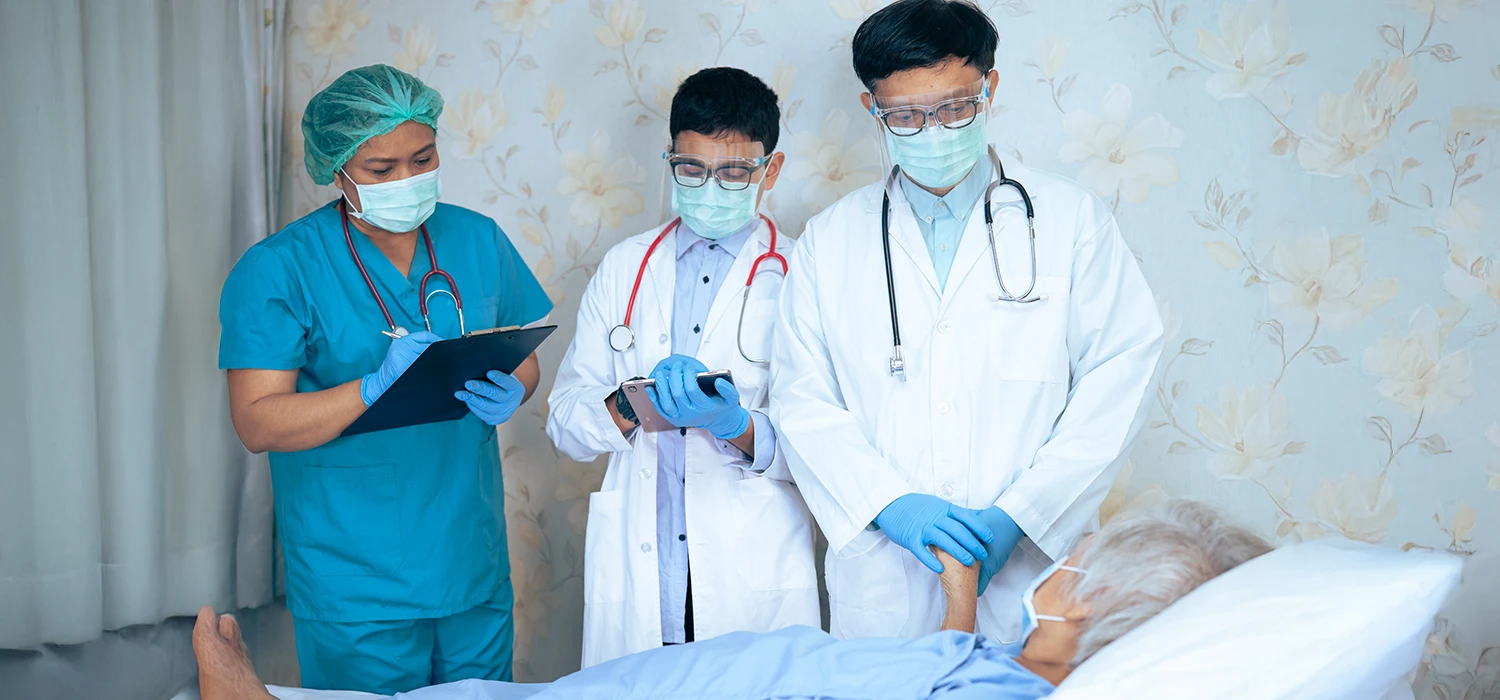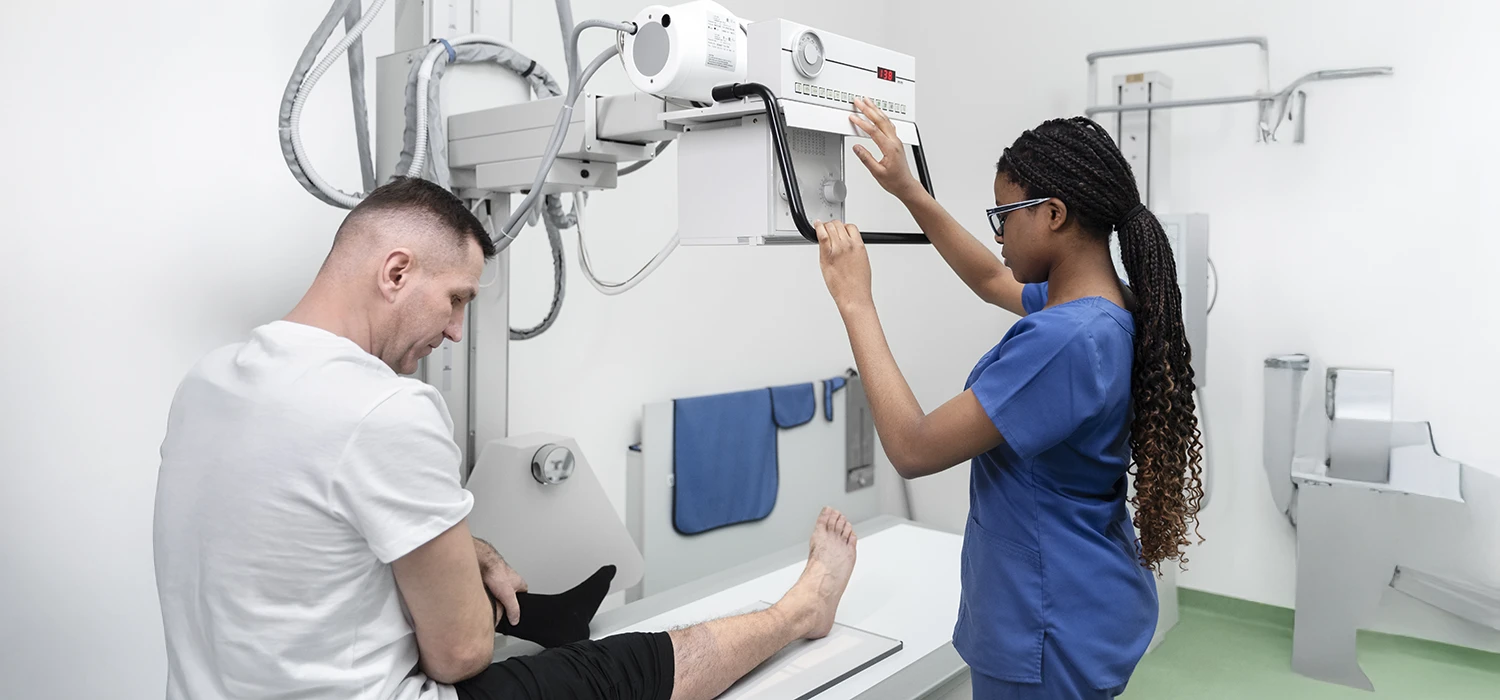
In the last decade, Kenya has witnessed substantial growth in the information and communication technology (ICT) sector. With 74.2% internet penetration (~12 million Kenyan internet users) and 89.3% mobile phone penetration in 2015, Kenya’s ICT sector is clearly a frontrunner in Africa. However, the healthcare scenario in Kenya doesn’t necessarily evoke similar optimism. The Kenya healthcare system is plagued with significant shortage of doctors/specialists and healthcare professionals. Furthermore, majority of Kenyan diagnostic and therapeutic infrastructure is concentrated mostly around Nairobi.
Contact us at EMeRG for your med-tech business intelligence needs in emerging markets
The geographical disparity and lack of specialists necessitates implementation of e-Health and m-Health services to act as ideal cost-effective measures in addressing Kenyan health requirements. Successful implementation of these measures is likely to help overcome barriers around insufficient government funding.
A timeline of some of the key e-Health projects that have been successfully implemented in Kenya are as follows:
- Payment of health insurance premiums: In 2010, the government-run National Health Insurance Fund (NHIF) partnered with mobile operator Safaricom to enable self-employed and informally employed individuals to pay health insurance premiums through M-Pesa – a mobile money platform
- Contact healthcare professionals: Safaricom has continued to establish m-Health services in Kenya with the MedAfrica app in 2012. This mobile app provides patients with contact details of healthcare professionals and basic diagnostic information
- Tele-consultations: In 2015, the Ministry of Health (MoH) and Merck, launched a national telemedicine program. Through this project, patients in rural Kenya can seek consultation from specialists at Kenyatta National Hospital. This enables faster diagnosis and better disease management
- Medical queries hotline: Safaricom launched two more initiatives in 2016. This includes – Daktari – a medical enquiry hotline. The other initiative is known as AMPATH – a government service directed at HIV patients utilizing open source medical records platform (OpenMRS) to alert HIV patients to consume medicines. It also provides a call-in for questions about medication or treatments
The success of m-Heath technologies in Kenya has also attracted foreign investors to the country. Apollo Hospitals (India) and Airtel Africa collaborated in 2016 for “Ask Apollo”, a mobile platform that connects Kenyan patients to healthcare specialists at any Apollo hospital site in India. PharmAccess – a Dutch NGO, along with Safaricom, Pfizer and Care Pay launched “M-Tiba” – a wallet which stores funds from donors and customers in secure accounts. This can be used to pay fees to accredited healthcare providers.
Kenya represents a population with a growing burden of cancer, cardiovascular and communicable diseases. While e-health initiatives may not have traditionally targeted specialized care, their true utility may lie in enabling prevention and early detection of key diseases. Moving forward, e-health technologies in Kenya would need to be scalable while being commercially viable for stakeholders to remain invested in the cause.